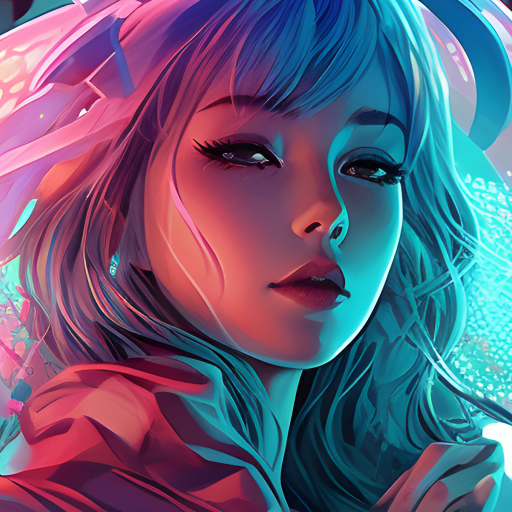
Text to Image is a subcategory of Image Generation & Editing that converts written descriptions into visual images using AI, focusing solely on creation rather than modification. U…
1219 tools in this niche Editorially curated Zero-fluff picks
Featured picks (30)
30 curated for this page · 1219 tools in this niche
DreamVid is an all-in-one AI platform for video and image generation. It lets you turn text and photos into high-quality videos and images in any style. Fast, simple, and all your creative tools in one place.
AI Image to VideoAI Video GeneratorPhoto Animation
SVGMaker is an AI-powered tool that makes creating professional vector graphics fast, simple, and accessible. Whether you’re a designer, developer, crafter, or marketer, it helps you transform ideas into clean, scalable SVGs in just seconds—without installs, steep learning curves, or expensive software.
Text to Image — Text to Image is a subcategory of Image Generation & Editing that converts written descriptions into visual images using AI, focusing solely on creation rather than modification. Unlike the broader parent category, which includes editing, retouching, and compositing, Text to Image tools generate new assets from text prompts, enabling rapid ideation and content production. This category is genuinely useful for marketers producing concept visuals, content creators generating social media assets, and artists exploring style variations. However, output quality can be inconsistent, and commercial licensing varies by tool, requiring careful verification before use.
Key features to look for
Image quality and prompt fidelity for accurate scene rendering
Style control and edit flexibility for iterative refinement
Commercial-usage clarity and licensing fit for legal safety
Upscaling and export workflow quality for multi-platform use
Cost scalability for batch asset creation under volume needs
Review burden for consistency and originality across outputs
Who uses these tools?
Best For: Content creators and social media managers needing rapid visual assets; Marketing professionals generating concept visuals or ad mockups; Artists and designers exploring AI-assisted ideation and style experimentation; Small business owners without design resources for custom imagery
Not Ideal For: Users requiring precise, brand-consistent imagery with strict style adherence; Professionals needing high-fidelity product photography with controlled lighting; Those who prefer manual control over every pixel and complex multi-element scenes
Summary: Text to Image tools best serve users who need fast, unique visuals from text descriptions and are comfortable with iterative prompting. They are less suitable for high-stakes design where precision and consistency are critical.
How it fits your workflow
The typical workflow begins with the user inputting a text prompt describing the desired image, including subject, style, and composition. The AI processes this prompt using deep learning models to generate one or more image candidates. Users then review the outputs, refine the prompt or adjust settings such as style or detail level, and regenerate as needed. Once satisfied, the final image is exported in the desired format and resolution. Success depends on prompt crafting and the tool's responsiveness to iterative adjustments.
Benefits
Text to Image tools accelerate creative workflows by generating images in seconds, enabling rapid ideation and asset creation without manual design skills. They make visual creation accessible to non-designers and reduce reliance on stock imagery or freelance designers. However, output quality and consistency can vary, and commercial licensing must be verified per tool, so these tools are not a substitute for professional design in high-stakes contexts.
Frequently asked questions
What is a Text to Image AI tool?
A Text to Image AI tool converts written descriptions into visual images using deep learning models. It focuses on generating new images from text prompts, rather than editing existing ones.
How do I choose the right Text to Image tool for my needs?
Consider factors like image quality, style control, commercial licensing terms, export options, and pricing scalability. The best fit depends on your specific use case, such as social media content versus high-resolution print assets.
Can I use images generated by Text to Image tools for commercial purposes?
Usage rights vary by tool and license. Many tools allow commercial use, but some may have restrictions or require attribution. Always review the terms of service before using generated images in commercial projects.
What kind of prompts work best for generating high-quality images?
Detailed prompts that specify subject, style, lighting, and composition tend to yield better results. Including descriptive adjectives and references to art movements or artists can help guide the AI. Experimenting with phrasing and iterative refinement often improves output.
Are Text to Image tools free to use?
Many tools offer free tiers with limited generations or lower resolution, while premium plans provide higher usage limits and additional features. Pricing models may be usage-based (e.g., credits per image) or subscription-based (monthly or yearly).
How do Text to Image tools differ from traditional image editing software?
Text to Image tools generate new images from text, whereas editing software modifies existing images. They are designed for creation rather than manipulation, and typically offer less manual control over individual pixels.